Discover Newell's Old Boys: Titles, Legends, and 'Los Leprosos' Nickname
Nestled in the vibrant city of Rosario, Argentina, lies a football club with a history as rich and passionate as the game itself: Newell's Old Boys. More than just a team, Newell's represents a unique blend of educational heritage, a relentless pursuit of excellence, and an unwavering commitment to developing world-class talent. From its foundation in the early 20th century to its modern-day triumphs, the club has carved out a distinct identity, earning the affection of millions and the respect of the global football community. This article delves into the heart of Newell's Old Boys, exploring its storied past, celebrated titles, the legends it has forged, and the fascinating origins behind its iconic 'Los Leprosos' nickname.
The Enduring Legacy of Isaac Newell and the Club's Genesis
The story of Newell's Old Boys begins not on a dusty football pitch, but within the hallowed halls of an educational institution. The club, founded in 1903, takes its name from an extraordinary Englishman, Isaac Newell. Having emigrated to Rosario, Newell established the Colegio Comercial Anglo Argentino, a pioneering school that prioritized physical education, including the then-emerging sport of football. His vision laid the groundwork for a club that would embody both academic rigor and sporting prowess.
Isaac Newell's innovative approach to combining education with sport was revolutionary for its time. He instilled values that continue to resonate within the club today: discipline, teamwork, and the pursuit of excellence. The 'Old Boys' in the club's name is a direct tribute to the alumni of his school, emphasizing the deep-seated connection between the institution and the football team. This unique origin story sets Newell's apart, highlighting its roots in community and development, rather than purely commercial interests. It's a testament to how a single individual's foresight can shape a sporting dynasty for over a century. To truly appreciate the foundational principles of this esteemed club, you might be interested in Newell's Old Boys: Unpacking the Legacy of Isaac Newell's Club, which explores this fascinating history in greater depth.
A Trophy Cabinet Reflecting Argentine Greatness: Titles and Triumphs
Over its illustrious history, Newell's Old Boys has cemented its place among Argentina's football elite, boasting an impressive collection of silverware. The club has clinched the Argentine league championship a remarkable seven times, with its most recent triumph coming in 2013. These titles are not merely statistics; they represent eras of intense competition, tactical brilliance, and the unwavering passion of the 'Rojinegro' faithful.
Central to Newell's golden age in the early 1990s was the legendary manager Marcelo Bielsa. A true icon, Bielsa led the club to multiple league titles in quick succession, securing championships in 1990, 1991, and 1992. His innovative, high-intensity style of play captivated audiences and inspired a generation of footballers. Bielsa's impact was so profound that Newell's Old Boys' home ground, the Estadio del Parque Independencia, was rightfully renamed the Estadio Marcelo Bielsa in his honor. Affectionately known as 'El Coloso' (The Colossus), this stadium is more than just a venue; it's a pulsating cauldron of emotion where the club's rich history comes alive with every match. Experiencing a game at El Coloso is a bucket-list item for any serious football enthusiast, offering an authentic glimpse into the unparalleled passion of Argentine football.
The Cradle of Footballing Giants: Newell's Renowned Academy
Perhaps one of Newell's Old Boys' most significant contributions to world football is its unparalleled academy, often lauded as one of the finest talent factories on the planet. The club has an extraordinary legacy of identifying, nurturing, and developing future superstars, a testament to its robust youth development philosophy. This commitment to grassroots football has seen countless players rise through the ranks at Newell's before making their mark on the international stage.
The list of luminaries who began their careers at Newell's Old Boys reads like a who's who of footballing royalty. It includes none other than the legendary Lionel Messi, arguably the greatest player of all time, who spent his formative years in the Newell's academy before moving to Barcelona. Other titans such as prolific striker Gabriel Batistuta, tactical maestro Mauricio Pochettino (who also managed the club), current Argentina national team manager Lionel Scaloni, World Cup winner Jorge Valdano, midfield general Gerardo 'Tata' Martino (another former manager), defensive rock Walter Samuel, beloved club captain Maxi Rodríguez, midfield technician Éver Banega, and versatile defender Cristian Ansaldi all honed their skills within the club's esteemed youth system. This incredible track record underscores Newell's ability to consistently produce players not just with technical skill, but also with character and a deep understanding of the beautiful game. For more on the incredible talent pipeline at the club, don't miss Newell's Old Boys: The Cradle of Football Legends Like Messi & Batistuta.
Practical Tip for Aspiring Footballers: For young players and their parents looking for a model of excellence in youth development, Newell's Old Boys stands as a prime example. Their success lies in a holistic approach that combines rigorous technical training with an emphasis on tactical intelligence, mental resilience, and personal growth. Studying their methodology, from scouting to player progression, offers invaluable insights into building a successful footballing career.
Beyond the Pitch: Unpacking 'Los Leprosos' and the Club's Identity
Newell's Old Boys possesses a distinctive identity, deeply rooted in its history and fan culture. The club is famously nicknamed 'Los Leprosos' (The Lepers) or 'La Lepra' (The Leprosy). While initially sounding provocative, the origin of this nickname is a testament to the club's compassion and solidarity. In the 1920s, Newell's agreed to play a charity match to raise funds for victims of leprosy, a noble gesture that contrasted sharply with their city rivals, Rosario Central, who refused to participate. This act of humanity, rather than being a source of shame, became a badge of honor, embraced by the club and its fervent supporters.
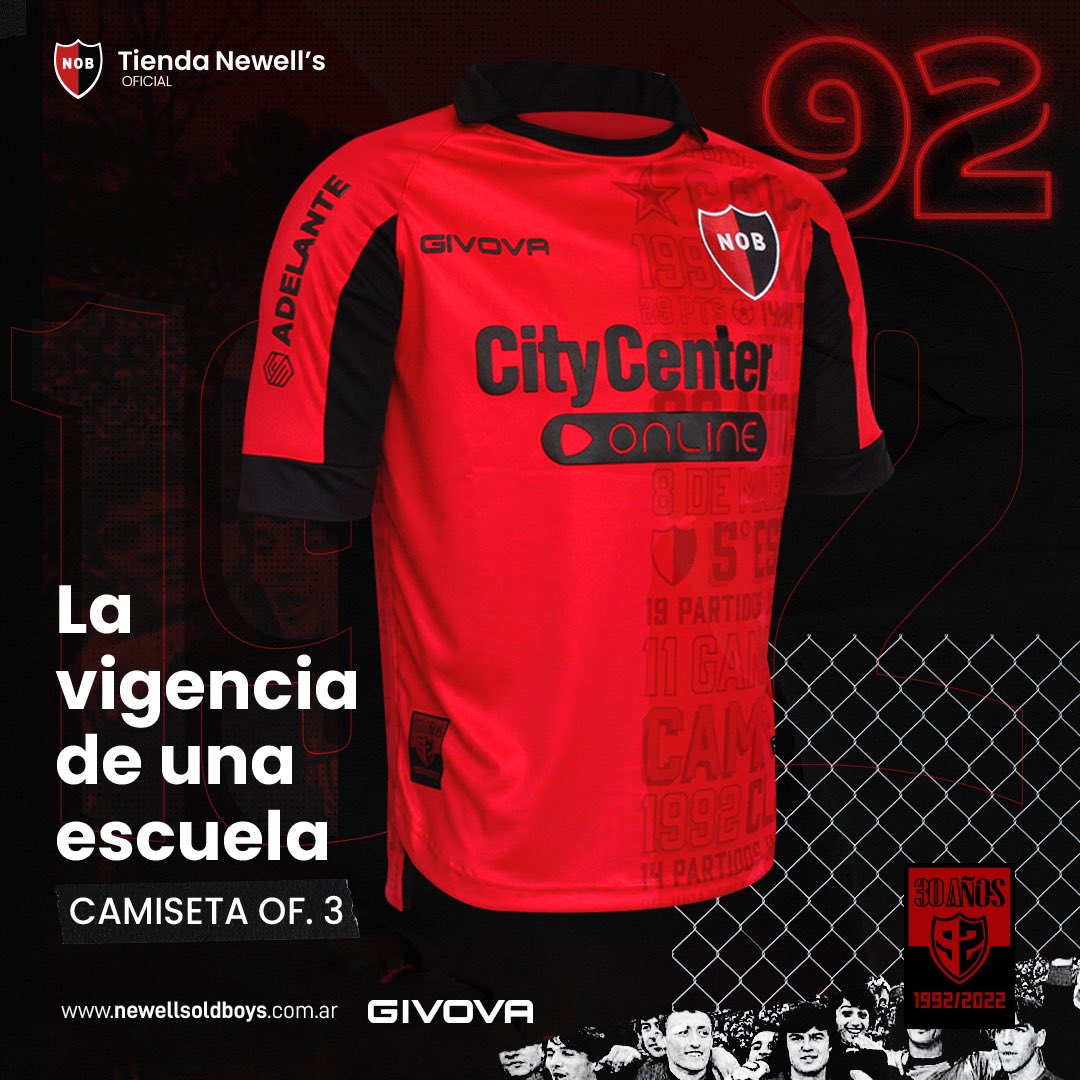
The 'Los Leprosos' moniker is not just a nickname; it's a symbol of resilience, empathy, and an independent spirit that defines Newell's. Alongside this, the club's iconic red and black striped shirts earn them another popular nickname: 'Rojinegro' (red & black). These colors are synonymous with the club's vibrant energy and fierce determination.
The passion of Newell's fans is legendary, culminating in one of Argentine football's most famous rallying cries: 'Newell's Carajo!' This phrase, which roughly translates to "Newell's, damn it!" or "Go Newell's!" in a defiant, emphatic tone, originated when Marcelo Bielsa, after winning his first title with the club in 1990, famously shouted it to the adoring crowd. It has since become an ingrained part of the club's folklore, a powerful expression of loyalty and defiance that reverberates around the Estadio Marcelo Bielsa, cementing the unbreakable bond between the team and its passionate 'hinchada' (fan base).
Practical Tip for Football Tourists: If you ever visit Rosario, immersing yourself in the Newell's Old Boys experience is highly recommended. Attend a match at the Estadio Marcelo Bielsa, soak in the electrifying atmosphere, and witness firsthand the passionate rendition of 'Newell's Carajo!' by thousands of fans. It offers a raw, authentic taste of Argentine football culture that few other clubs can match.
Conclusion
Newell's Old Boys is far more than just a football club; it is a cultural institution deeply embedded in the fabric of Rosario and Argentine football. From its educational roots laid by Isaac Newell, through its seven league titles and the tactical genius of Marcelo Bielsa, to its unparalleled ability to produce footballing legends like Lionel Messi, Newell's embodies a unique blend of history, passion, and development. The 'Los Leprosos' nickname, born from an act of charity, and the defiant cry of 'Newell's Carajo!' speak volumes about a club that marches to the beat of its own drum. Newell's Old Boys stands as a testament to the enduring power of football to inspire, unite, and create a legacy that transcends generations, forever captivating the hearts of its devoted supporters and leaving an indelible mark on the global game.